
You know the feeling. Your morning pour-over is perfect, your espresso routine is dialed in, but when you reach for tea you’re stuck choosing between grassy, delicate greens or bold, astringent blacks. There’s a whole world of flavour sitting in the middle, and that’s where oolong tea lives.
As a barista who spends most of my time obsessing over coffee, I started exploring tea at home the same way many of you do—looking for something interesting to brew in my existing gear without buying a whole new setup or learning complicated rituals. What I found was a category of tea that’s surprisingly approachable, wildly diverse, and perfectly suited to the home enthusiast who already cares about brew ratios, water temperature, and extraction.
In this practical guide, you’ll learn exactly what oolong tea is, how its oxidation level (anywhere from 8% to 85%) creates that beautiful range of flavours between green and black, and why it tastes nothing like the dusty tea-bag versions you may have tried before. We’ll cover how it actually tastes, the styles that are easiest and most rewarding for beginners, and a straightforward brewing method you can use with equipment you already own.
You’ll also discover practical ways to avoid the two biggest mistakes home brewers make with oolong, plus simple recommendations to get you started without wasting money on leaves you won’t enjoy.
If you’re ready to move beyond green and black and explore something that feels both familiar and exciting, let’s get into it.
Quick Takeaways
- Oolong tea is a semi-oxidized tea that sits between green and black tea on the oxidation spectrum.
- Oolong tea is made through a precise sequence of steps that allow tea makers to control oxidation levels between 8% and 85%.
- Light oolong teas give beginners the easiest entry point.
Watch: How to Brew Oolong Tea
A concise visual walkthrough can help readers see the brewing process alongside the written guide.
What Is Oolong Tea and Where Does It Fit Between Green and Black Tea
Oolong tea is a semi-oxidized tea that sits between green and black tea on the oxidation spectrum. This partial oxidation gives it a unique middle ground: more complexity than green tea but less boldness than fully oxidized black tea. For home coffee and tea enthusiasts looking to explore beyond green and black tea, it offers an exciting range of flavors worth brewing at home.
The Oxidation Spectrum Explained
Tea’s character is largely determined by how much the leaves are allowed to oxidize after picking.
- Green tea: 0-10% oxidation – kept as fresh and “green” as possible
- Oolong tea: 10-70% oxidation (sometimes described as 8-85% depending on style) – the wide range creates huge flavor diversity
- Black tea: 80-100% oxidation – fully oxidized for robust, malty notes
This spectrum explains why the same plant (Camellia sinensis) can produce such different drinks. According to tea experts, the oxidation level is carefully controlled by withering, bruising, and heating the leaves at precise moments during production (Serious Eats).
Oolong Tea vs Green Tea: Key Differences
Compared to green tea, oolong tea delivers noticeably more body and aromatic intensity while remaining smoother than most black teas. You’ll often taste floral, fruity, or roasted notes that green tea rarely shows.
Caffeine content usually falls between green and black tea, though the range is broad. Brewing flexibility is where oolong shines for home enthusiasts. It responds beautifully to multiple short infusions, revealing new flavors with each steep — something that rewards patience in the same way dialing in a pour-over does.
I’ve found this layered flavor evolution especially satisfying when I want something more interesting than my usual green tea but less heavy than black.
Comparison Table: Oolong vs Green vs Black
| Aspect | Green Tea | Oolong Tea | Black Tea |
|---|---|---|---|
| Oxidation Level | 0-10% | 10-70% (up to 85%) | 80-100% |
| Typical Flavor | Grassy, vegetal, delicate | Floral, fruity, roasted, creamy | Malty, bold, robust |
| Caffeine Content | Lower | Medium | Higher |
| Ideal Water Temp | 160–180°F | 185–205°F | 200–212°F |
| Number of Infusions | 1–3 | 4–8+ | 2–4 |
The table shows why many coffee drinkers who enjoy experimenting with temperature and timing find oolong tea a natural next step. If you want the broader caffeine context before choosing a daily cup, our guide to caffeine in green tea vs black tea vs coffee is a helpful companion read.
This middle position on the oxidation spectrum is exactly what makes oolong tea worth exploring for anyone who has mastered green and black tea and wants something more nuanced at home.
How Oolong Tea Is Produced and the Role of Oxidation
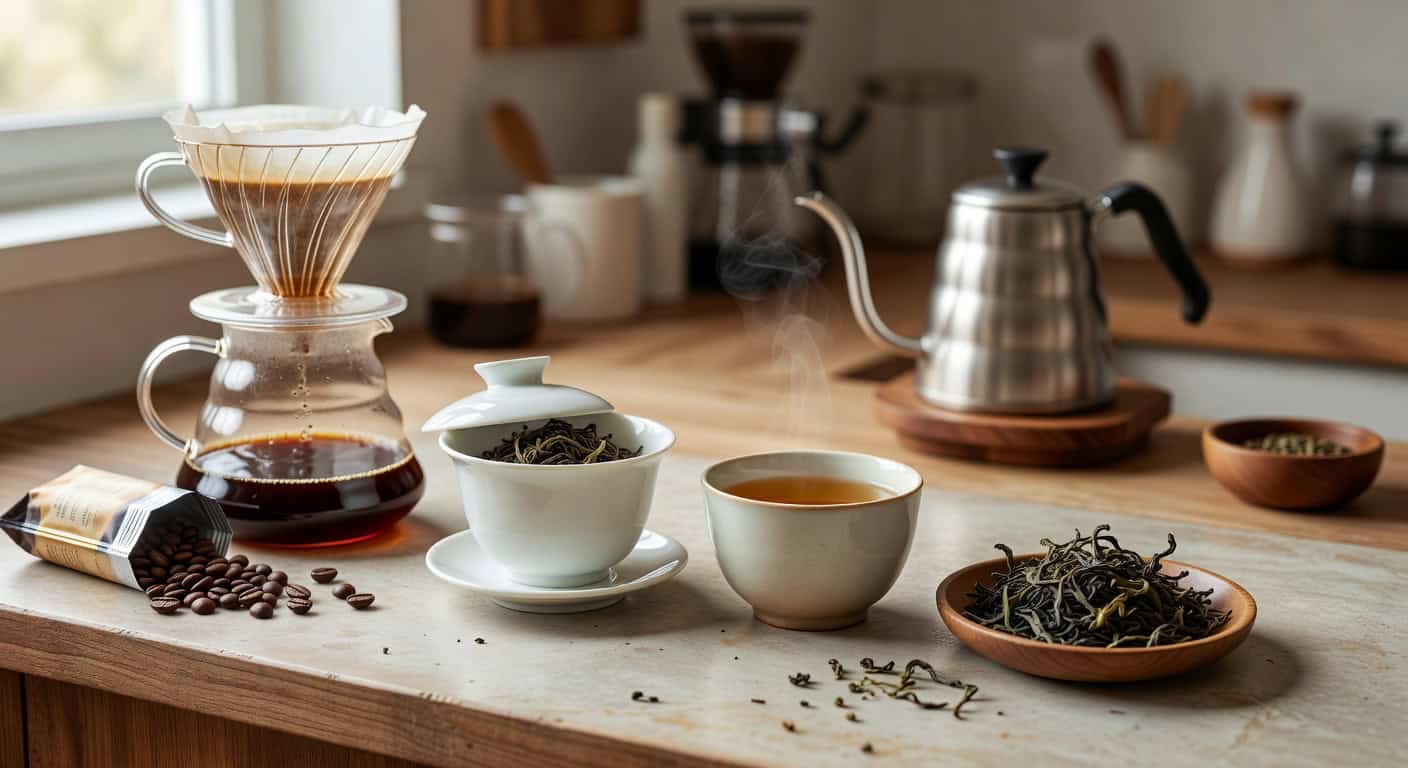
Oolong tea is made through a precise sequence of steps that allow tea makers to control oxidation levels between 8% and 85%. This partial oxidation is what gives oolong its signature complexity—floral notes with roasted undertones that sit comfortably between green and black tea.
The Traditional Oolong Production Process
Tea producers follow six main stages when making oolong:
- Withering: Fresh leaves are spread out to lose moisture and become pliable.
- Bruising: Leaves are gently shaken or tumbled to break cell walls and initiate oxidation.
- Oxidation: The bruised leaves rest while enzymes react with polyphenols, developing flavor and color.
- Fixation (Kill-green): Heat stops the oxidation at the desired level.
- Rolling: Leaves are shaped, often into tight balls or twisted strands.
- Drying: Final heat removes remaining moisture and locks in the flavor.
These steps are carefully timed and adjusted based on the specific style being produced, from lightly oxidized high-mountain varieties to darker, more roasted oolongs.
Why Oxidation Is the Deciding Factor
Oxidation level is the single biggest decision a tea maker makes. By choosing exactly when to apply heat during the process, they decide how much of the leaf’s natural compounds will transform. Light oxidation preserves fresh, floral, and creamy notes, while higher oxidation brings out nutty, woody, and caramel-like flavors.
Research shows this controlled oxidation creates the unique chemical balance responsible for oolong’s layered taste. Unlike green tea, which is fixed almost immediately to prevent oxidation, or black tea, which is allowed to oxidize fully, oolong occupies the middle ground that rewards multiple infusions.
I’ve found this flavor evolution especially noticeable at home. Using a higher leaf-to-water ratio and short steeps—similar to how I control espresso shots—each successive infusion reveals something new, from bright florals in the first pour to deeper roasted notes by the third or fourth. This approach, highlighted by Serious Eats, works particularly well for home coffee and tea enthusiasts already comfortable adjusting water temperature and timing.
If you are still comparing the big tea categories, our black tea vs green tea vs coffee guide gives you another useful side-by-side reference.
Understanding these production choices helps explain why one oolong can taste completely different from another, even though they come from the same plant. The tea maker’s control over oxidation is ultimately what makes this category so interesting to explore beyond green and black tea.
What Different Oolong Teas Taste Like (Beginner Examples)
Light oolong teas give beginners the easiest entry point. They taste floral, creamy, and surprisingly fresh without the grassy edge many people associate with green tea.
Light Oolong Teas for Beginners
Tie Guan Yin (Iron Goddess) is my top recommendation for anyone coming from coffee or green tea. When I brew it at home, the first sip often reminds me of orchid flowers, fresh butter, and a faint sweetness like ripe melon. The mouthfeel is smooth and almost milky.
This style works so well as a first oolong because its oxidation level sits around 20-40%, creating a gentle bridge between the bright vegetal notes of green tea and the warmer tones of black tea. Serious Eats recommends starting with this variety precisely because its flavor is approachable yet complex enough to reward attention.
Medium and Dark Oolong Examples
Once you’re comfortable with lighter styles, roasted oolongs open up a completely different world. Da Hong Pao and other heavily roasted varieties taste like toasted nuts, caramel, warm stone fruit, and a hint of dark cocoa. The roast character dominates early infusions but softens as you continue steeping.
These darker oolongs shine across multiple infusions. The first steep is bold and roasty, the third and fourth often reveal dried fruit and mineral notes, and by the fifth or sixth pour the tea becomes surprisingly delicate and sweet. This flavor evolution is one of the most rewarding parts of drinking oolong at home.
My Home Tasting Observations
I’ve been experimenting with oolong in my kitchen the same way I dial in coffee—paying close attention to water temperature and steep time. Here’s what I consistently notice:
- First infusion: strongest aroma and most intense flavor (usually 30-45 seconds)
- Second and third infusions: flavors open up and become more balanced
- Fourth through sixth infusions: sweetness increases while bitterness stays low
- The same leaves can easily give 5-7 good cups when using a higher leaf-to-water ratio
This multiple-infusion approach is completely different from the single long steep most people use for black tea. It’s closer to how I adjust my coffee brewing when I want to taste every stage of extraction.
If you already own a simple coffee maker or even a basic pour-over setup, you have most of the equipment needed to start exploring these flavor changes.
The beauty of oolong tea examples like these is how they reward patience. Each new steep tells a different part of the story, giving home enthusiasts something new to explore beyond the usual green and black tea routine.
How to Brew Oolong Tea at Home for Best Results
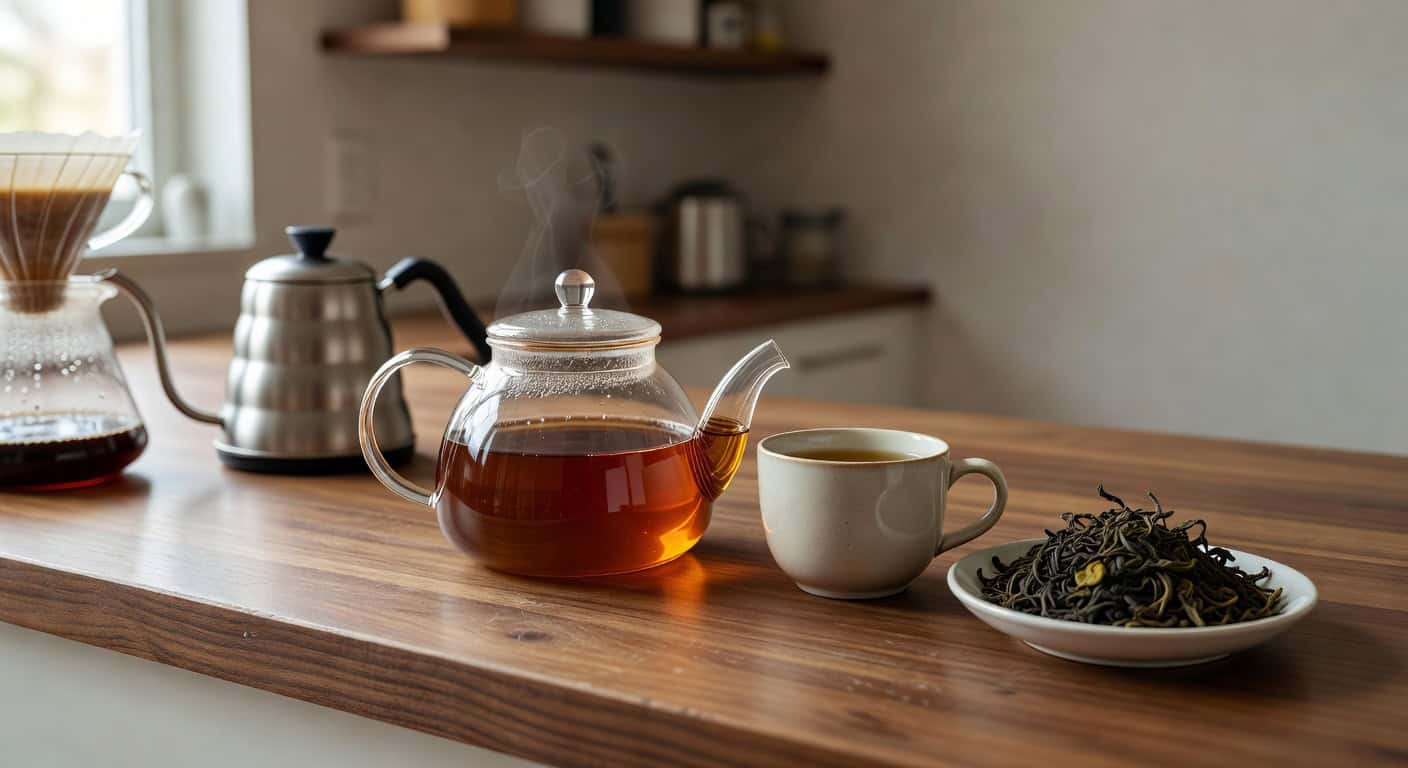
Brewing oolong tea rewards the same patience and precision that good coffee demands. The key is treating the leaves gently while using a higher leaf-to-water ratio and short, repeated infusions that evolve in flavor with each steep. This approach, favored by experienced tea writers, delivers far more complexity than a single long brew.
Essential Brewing Equipment for Home
You don’t need specialized gear to start, though a few tools make the process more enjoyable and repeatable.
- Gaiwan: A small lidded bowl that gives you total control over timing and allows you to see the leaves unfurl. Ideal for tasting progression across multiple infusions.
- Teapot: A small clay or ceramic pot (100–200 ml) works beautifully for everyday drinking. Yixing clay is traditional but not required.
- French press: Surprisingly effective for oolong. The mesh lets leaves expand while making cleanup easy — a familiar method for anyone who already uses one for coffee.
Start with whatever you already own. I often use my French press when I want something dead simple.
Oolong Tea Brewing Checklist
Follow these parameters for consistently good results:
- Water temperature: 90–95 °C (194–203 °F). Too hot and you lose nuance; too cool and the flavor stays muted.
- Leaf-to-water ratio: 1 gram of tea per 15–20 ml of water — much stronger than typical Western tea ratios.
- Steep times: First infusion 30–45 seconds, then 20–60 seconds for subsequent rounds. Increase time gradually as the leaves open.
- Number of infusions: Plan for 4–6 good steepings from quality leaves. Some high-mountain styles can go longer.
These guidelines align closely with practical recommendations from Serious Eats’ oolong guide, which emphasizes heavy ratios and short steeps to capture the tea’s full range.
Brewing Parallels With Coffee
If you already dial in pour-over or espresso, you’ll feel at home with oolong. Temperature control works exactly like choosing between 92 °C and 96 °C for a light roast — small changes dramatically affect what you taste. The multiple-infusion approach is like enjoying a well-developed espresso shot that reveals new notes as it cools.
The real payoff comes from patience. The first steep might taste bright and floral, the third could turn nutty or creamy, and the final rounds often become sweet and mineral. This flavor evolution is one of the most rewarding parts for home enthusiasts moving beyond single-steep green and black tea.
For those still building their basic brewing setup, a reliable temperature-controlled kettle pairs perfectly with both coffee and tea routines. Many of the same enthusiasts exploring better oolong also upgrade the rest of their morning setup, so our best coffee makers under $150 roundup may be useful if you want one practical gear link to bookmark.
When you brew this way, each pot becomes a miniature tasting session that fits naturally into the same mindful ritual many of us already enjoy with coffee.
Common Mistakes When First Trying Oolong Tea
When I first started exploring oolong tea at home, I made almost every classic beginner error. The good news is they’re easy to fix once you know what to watch for. Here are the most common mistakes I’ve seen (and made myself) along with practical ways to course-correct.
Temperature and Timing Issues
Using water that’s too hot or too cold is the fastest way to ruin a good oolong. Water straight off the boil often turns even high-quality leaves bitter and astringent, while lukewarm water leaves the tea tasting flat and weak.
Best practice: Aim for 195–205°F (90–96°C) for most oolongs. I use the same variable-temperature kettle I rely on for pour-over coffee. Let the water sit for 30–60 seconds after boiling if you don’t have a temperature-controlled kettle.
Steeping times matter just as much. Many people treat oolong like black tea and leave it for five minutes, ending up with an over-extracted, unpleasant brew. Start with shorter infusions—30 to 60 seconds for the first steep—and adjust from there.
Leaf Quantity and Infusion Problems
Using too little leaf is another frequent mistake. A single teabag or a tiny pinch in a large mug won’t give you the flavor you’re looking for. Serious Eats recommends a heavy ratio: roughly 1 gram of leaf per 20–30 ml of water for short, repeated steeps.
Over-steeping in one long brew instead of multiple short infusions is also common. Oolong tea shines across several infusions, with the flavor evolving from floral and light in the first steep to richer and more roasted in later ones. I almost gave up on one variety until I switched to the multiple-infusion method and discovered what I’d been missing.
Discarding the leaves after the first infusion is probably the biggest missed opportunity. Most oolongs are designed for 4–8 infusions. Keep the leaves in the pot or gaiwan and simply add fresh hot water for the next round.
Quick checklist to avoid these mistakes:
- Measure your leaf (don’t eyeball it)
- Use proper water temperature
- Start with short steeps (30–90 seconds)
- Re-infuse the same leaves multiple times
- Taste between infusions to notice how the flavor changes
These small adjustments made a dramatic difference in my own kitchen experiments. Once you dial in these basics, you’ll get far more enjoyment from every ounce of oolong you brew.
If you’re still figuring out where tea fits into your routine, our piece on whether tea is better than coffee for anxiety adds another angle for readers who are choosing based on how a drink feels, not just how it tastes.
Final Recommendation
If you're a coffee drinker ready to step beyond green and black tea, start with a lightly oxidized oolong tea like a high-mountain or Tie Guan Yin style. These offer the floral, creamy notes many coffee enthusiasts enjoy first, with enough complexity to reward attention without the roastiness that can feel jarring at the beginning. I’ve found this entry point mirrors the jump from a bright pour-over to a more nuanced light roast.
My Top Pick for Coffee Drinkers New to Oolong
My recommendation is a light to medium oolong brewed with a heavy ratio and short steeps—the same principle many of us already use for strong, flavorful coffee. Use 6–8 grams of leaf per 150 ml of water at 90–95 °C (194–203 °F), steeping for just 30–60 seconds. This method, highlighted by Serious Eats, extracts bright flavor quickly while leaving plenty of character for three to five additional infusions.
- First infusion: Delicate and aromatic
- Third infusion: Often the sweetest and most balanced
- Fifth infusion: Surprisingly fragrant again
This progression is one of the most enjoyable parts of drinking oolong at home.
Building Your Oolong Tea Journey
Once the light styles feel familiar, move gradually toward more roasted oolongs. The flavor shift from floral and creamy to nutty, toasty, and caramel-like gives a clear progression path similar to exploring different roast levels in coffee. Many home enthusiasts find they prefer one end of the spectrum over the other after a few weeks of testing.
For quality examples, look for specialist online tea shops that clearly state the oxidation level and origin. Avoid supermarket blends until you know what you like. As you experiment, focus on how the flavor evolves across multiple short infusions—this is where oolong truly stands out from green or black tea.
Ready to upgrade your morning ritual? Keep experimenting with both coffee and tea, then build your setup around the drinks you actually enjoy making.
The key is patience and play. Treat oolong like a new coffee you’re dialing in—one variable at a time—and you’ll quickly find styles that become part of your regular rotation.
Frequently Asked Questions
Is oolong tea caffeinated?
Yes, oolong tea contains caffeine. The amount typically ranges from 30–50 mg per 8 oz cup, sitting between green tea and black tea in caffeine content. Like coffee, the exact amount varies based on the specific leaves, oxidation level, and how you brew it.
How many times can you steep oolong tea?
Most oolong teas can be steeped 3–5 times, with high-quality examples often performing well up to 6–7 infusions. Each subsequent steep usually needs a slightly longer brewing time to extract flavor. This multiple-infusion capability is one of the practical advantages that makes oolong tea enjoyable for home enthusiasts who like to experiment with the same leaves throughout an afternoon.
Does oolong tea have health benefits?
Oolong tea contains polyphenols and antioxidants that may support health. Research suggests it could help with metabolism, blood sugar regulation, and heart health, though more studies are needed for definitive claims (Healthline, WebMD). As a home barista, I treat it as a flavorful daily drink that happens to contain beneficial compounds rather than a medicine.
Can you brew oolong tea in a coffee maker?
Technically yes, but I don’t recommend using a standard drip coffee maker for oolong tea. The long contact time and lack of temperature control usually produce a bitter, over-extracted cup. You’ll get far better results using a simple teapot, gaiwan, or even a French press with the short-steep, high-ratio method preferred for oolong.
How do you store oolong tea properly?
Store oolong tea in an airtight container away from light, heat, and strong odors. A dark cabinet or opaque tin works well. Unlike roasted coffee, most oolong teas stay fresh for 12–24 months when stored properly, though lighter oolongs are best enjoyed within the first year.
What is the difference between oolong and green tea?
Oolong tea is partially oxidized (typically 8–85% oxidation) while green tea is not oxidized at all. This gives oolong a wider range of flavors—from fresh and floral to toasty and roasted—compared to green tea’s more grassy, vegetal profile. The oxidation process is what creates oolong’s unique complexity that many coffee drinkers find approachable.
Is oolong tea better hot or iced?
Oolong tea is excellent both ways, but hot brewing shows off its complex aroma and layered flavors best. For iced tea, I prefer cold-brewing or flash-chilling a strong hot brew. High-mountain or lightly oxidized oolongs make particularly refreshing iced versions that retain their floral notes.
Conclusion
Oolong tea sits in that fascinating middle ground between bright, grassy green tea and bold, robust black tea. With oxidation levels ranging from 8% to 85%, it delivers a wide spectrum of flavors—from floral and creamy to toasty and fruity—making it an ideal next step for home coffee and tea enthusiasts ready to move beyond their usual rotation.
One of the biggest rewards of oolong tea is its ability to shine across multiple infusions. The same leaves can be steeped again and again, each cup revealing something new as the flavors evolve. This makes it both economical and genuinely fun to explore in your own kitchen.
Ready to get started? Pick up a quality Tie Guan Yin or a lighter high-mountain oolong and brew it using the short, concentrated steeps outlined earlier. Treat it like a pour-over: pay attention to temperature, timing, and leaf ratio, and you’ll quickly understand why oolong has such a dedicated following.
Give oolong tea a fair shot in your lineup. You might just find your new favorite daily drink sitting between your favorite espresso machine and your go-to coffee roasters.
What are you waiting for? Put the kettle on and start steeping.

Leave a Reply